
 Attribution requirement not supplied upstream; confirm during rights review.
Game overview
Dark Age of Camelot is a fantasy MMORPG organized around three realms and realm-versus-realm conflict. Its official site carries dated 2026 service news.
Gameplay and progression
Realm, race and class choices lead into character progression and organized RvR. Realm points, housing and differing server rules provide additional goals; the intended server matters when comparing guides.
Access and service scope
Current dated service notices support active availability in the official service scope. Business-model details, technical requirements and regional access should be checked separately rather than inferred from historical subscription arrangements.
Similar games
- Camelot Unchained — Compare three-realm RvR structures; Camelot Unchained remains Early Access in the retained evidence rather than a completed 1.0 release.
Sources for these comparisons
Player perspective: Why server choice matters
Dark Age of Camelot centers on conflict among three realms, making realm allegiance and community coordination more consequential than in many quest-first MMORPGs. Class choice affects how a character contributes to groups, while realm-versus-realm activities reward learning objectives and working with organized players. Server-specific rules and access arrangements can differ. Before choosing a character, identify the official service and server you intend to use, and find a guide written for that environment instead of applying another server’s economy, progression or PvP assumptions.
Screenshots
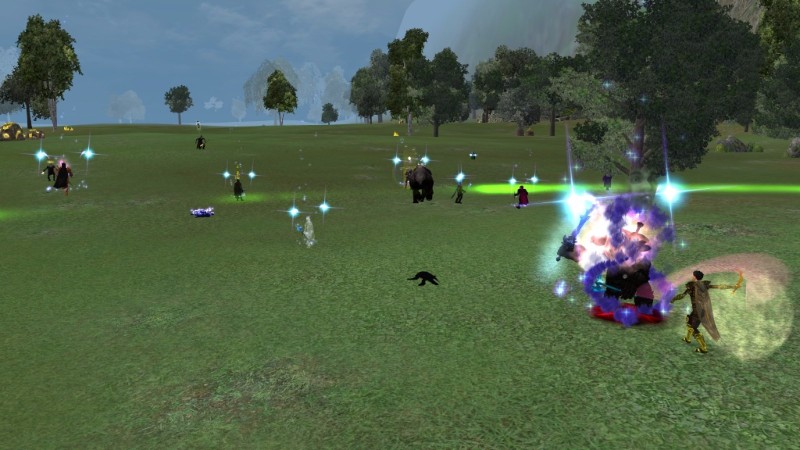

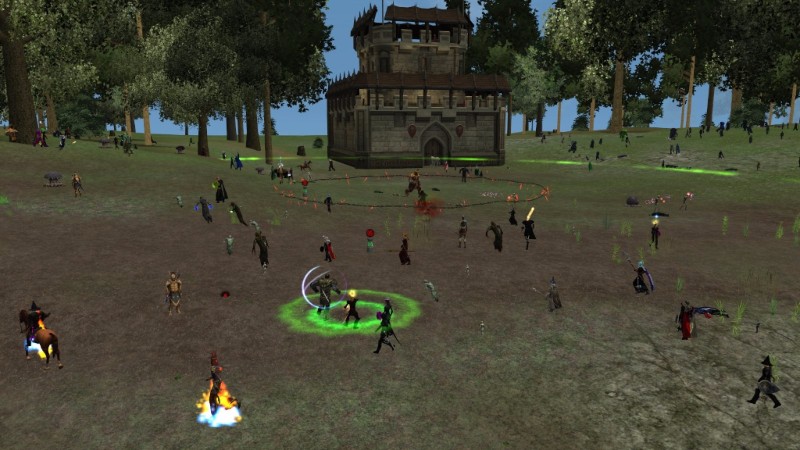
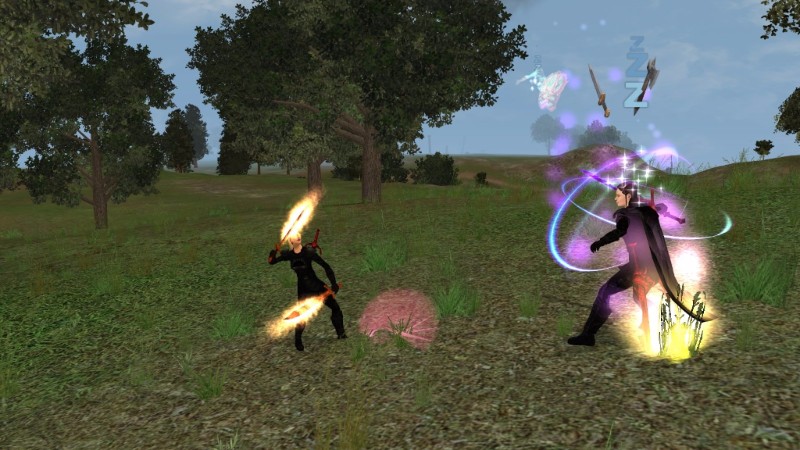
Strengths and limitations
Strengths
- A clear three-realm structure gives organized competitive play a lasting focus.
Limitations
- Server-specific rules and the current access model require careful verification.
Beginner information
Choose a realm and server with your group, then use a guide that matches that server’s rules.
Frequently asked questions
Why does realm and server choice matter?
Three realms organize RvR, while server rules influence progression and guide applicability. Choose guidance for the intended server.
Does historical subscription information establish current access terms?
No. Current business-model details and regional access need confirmation separately from historical arrangements.