 Source credited to Daybreak Game Company; copyright and trademarks belong to their owners.
Game overview
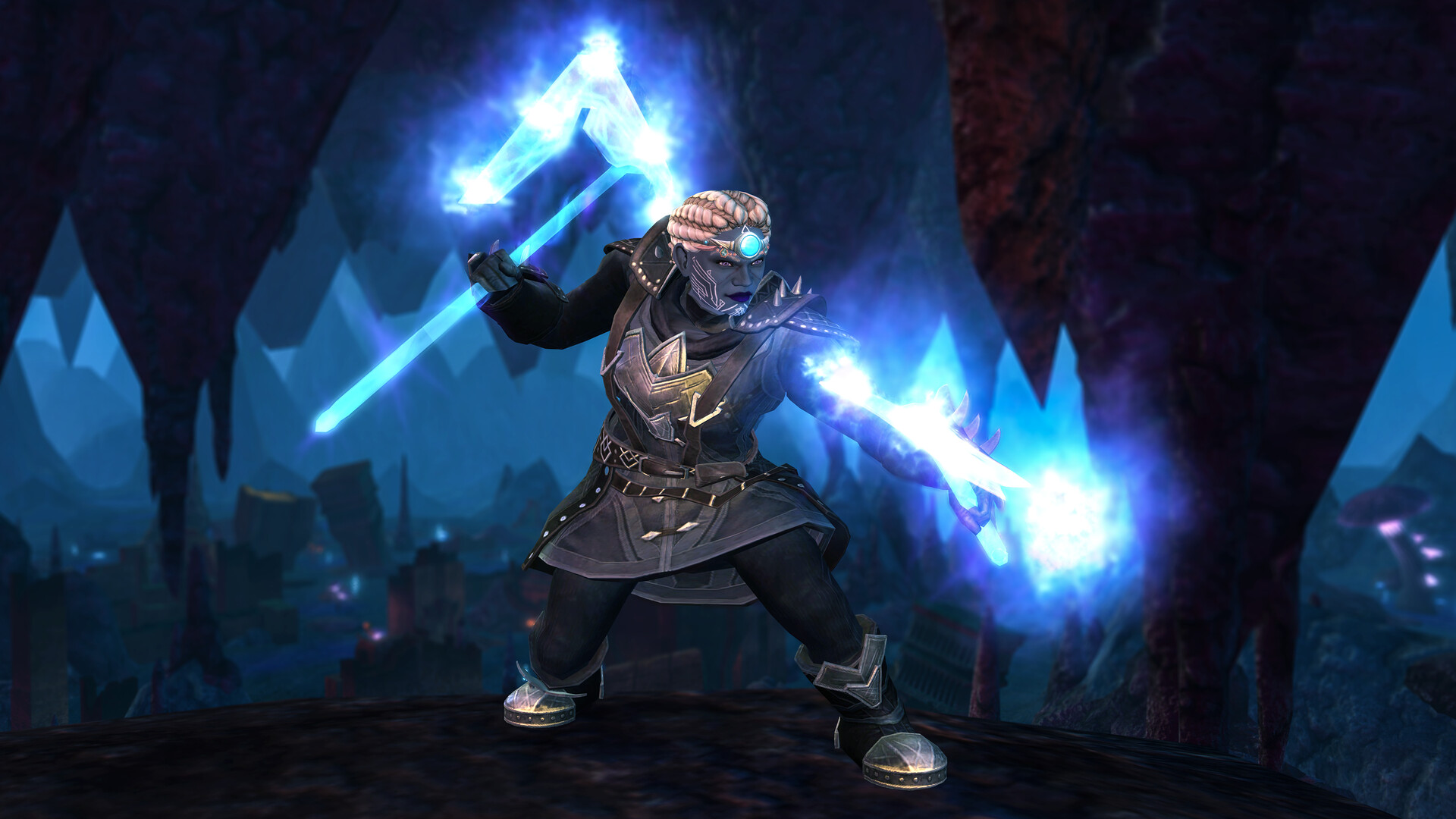
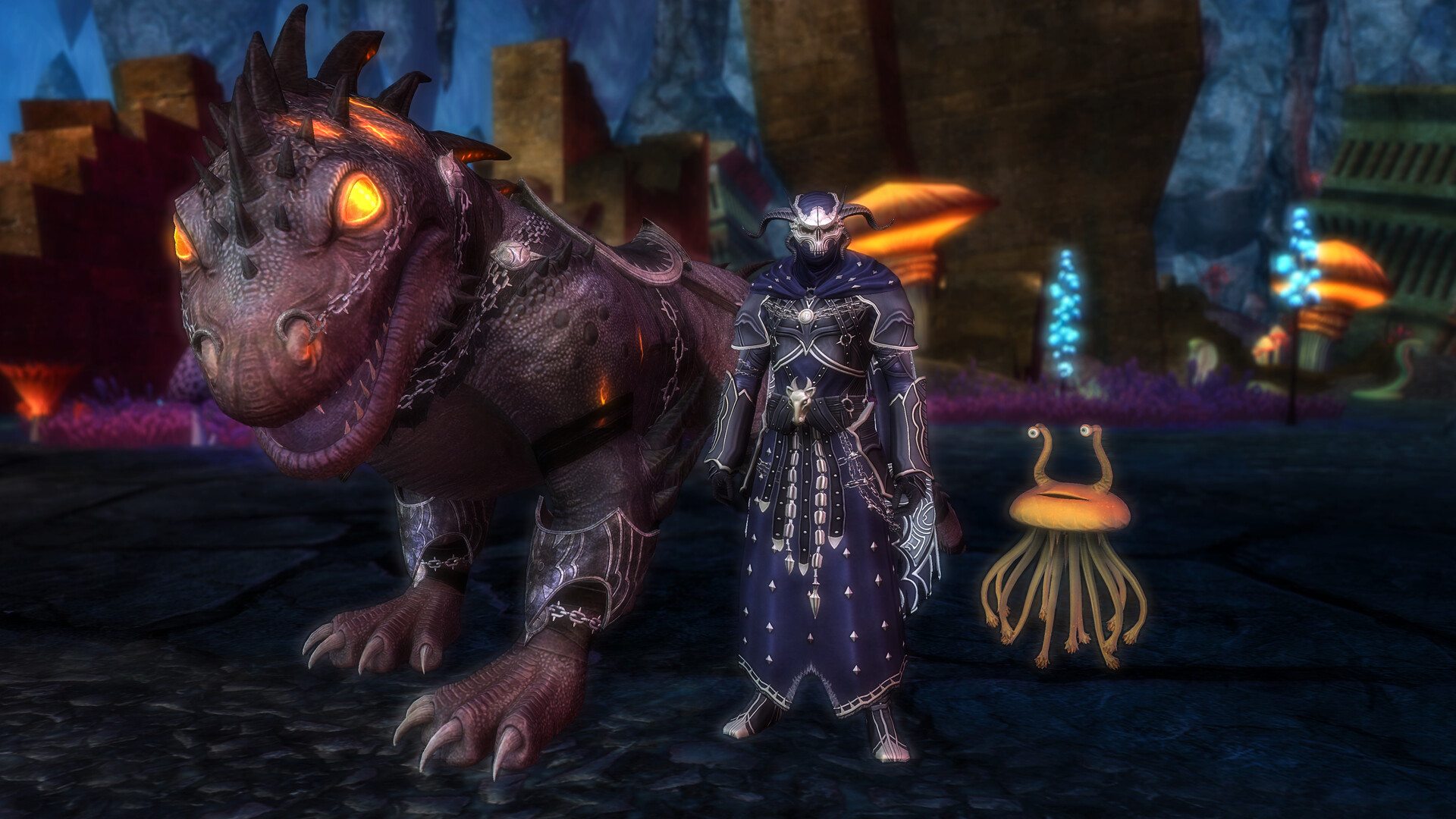
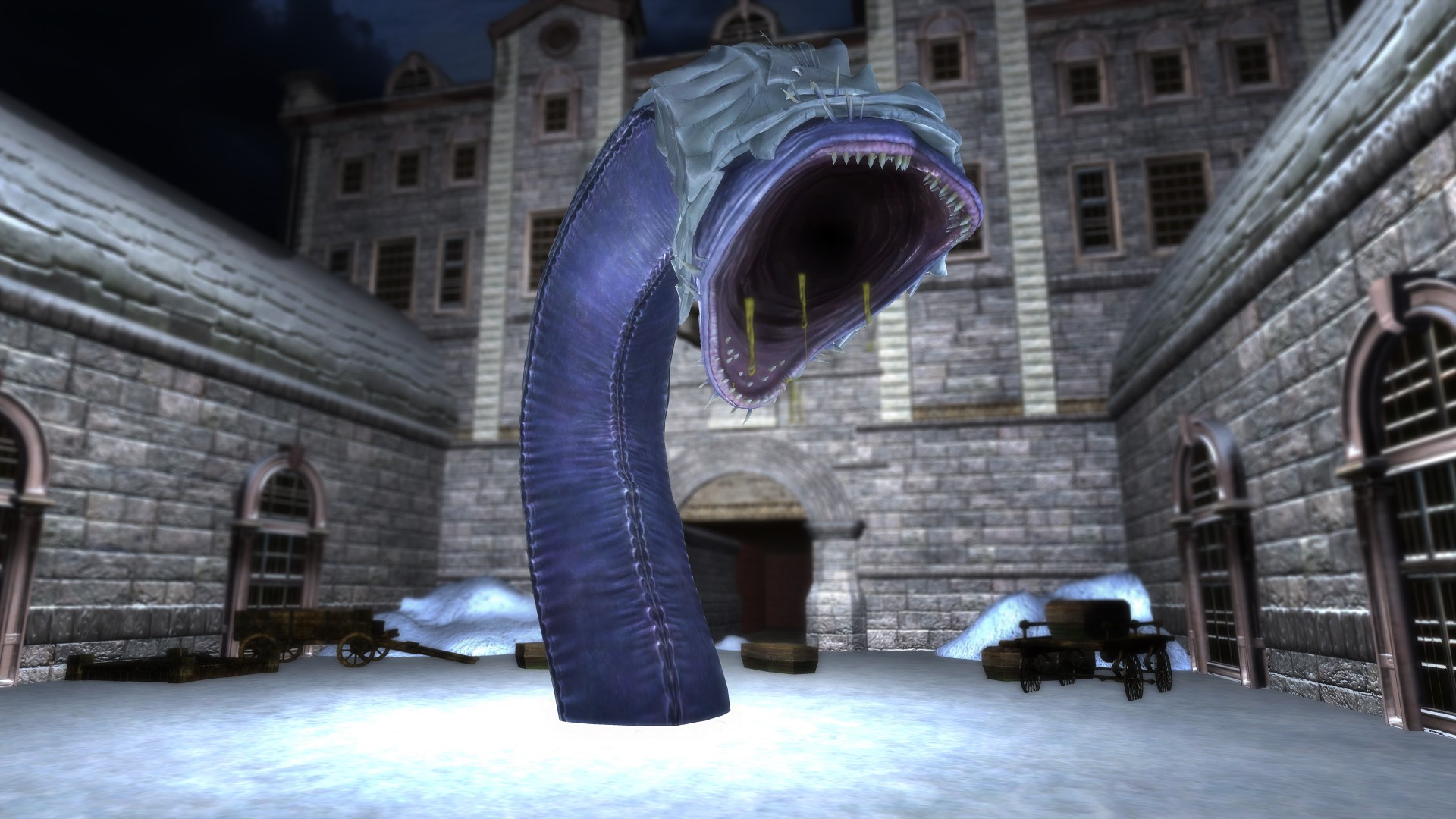
Dungeons & Dragons Online is an action MMORPG built around narrated dungeon adventures, traps, puzzles and flexible D&D character builds. Current development is by Standing Stone Games, with Daybreak publishing.
Gameplay and progression
Adventures support solo play and cooperative parties; the official overview distinguishes six-player groups from twelve-player raids. Classes, race choices, multiclassing, crafting and Reincarnation create long-term build goals. Active movement matters alongside statistics.
Access, platforms and service scope
Free entry is available, with optional VIP access, expansions and store purchases. Windows is confirmed by the publisher’s Steam listing. Its June 2012 storefront date must not be substituted for the original game launch.
Getting started
Start with a straightforward class and a manageable quest difficulty. Read ability descriptions before combining classes; elaborate builds are easier to judge after learning the dungeon controls.
Strengths and limitations
Active dungeon combat, puzzle adventures and flexible builds. Paid content entitlements and complex build choices require checking; original release chronology remains unverified.
Similar games
Neverwinter, The Lord of the Rings Online, EverQuest. Compare their progression and service models.
Sources and observation
Official evidence observed 5 October 2026: Standing Stone Games; current developer/publisher; Windows requirements; Steam distribution chronology. A source observation does not certify server population or account availability. Unresolved original release dates and unsupported facts are not inferred.
Building a first adventurer
Dungeons & Dragons Online rewards understanding party roles, class features and quest difficulty before chasing a specialized endgame build. Character decisions can have long-term effects on your preferred playstyle, so review the relevant class and account-entitlement information before spending on optional content. Soloing and group runs have different expectations; check a quest’s difficulty and party requirements first.
Screenshots and official video
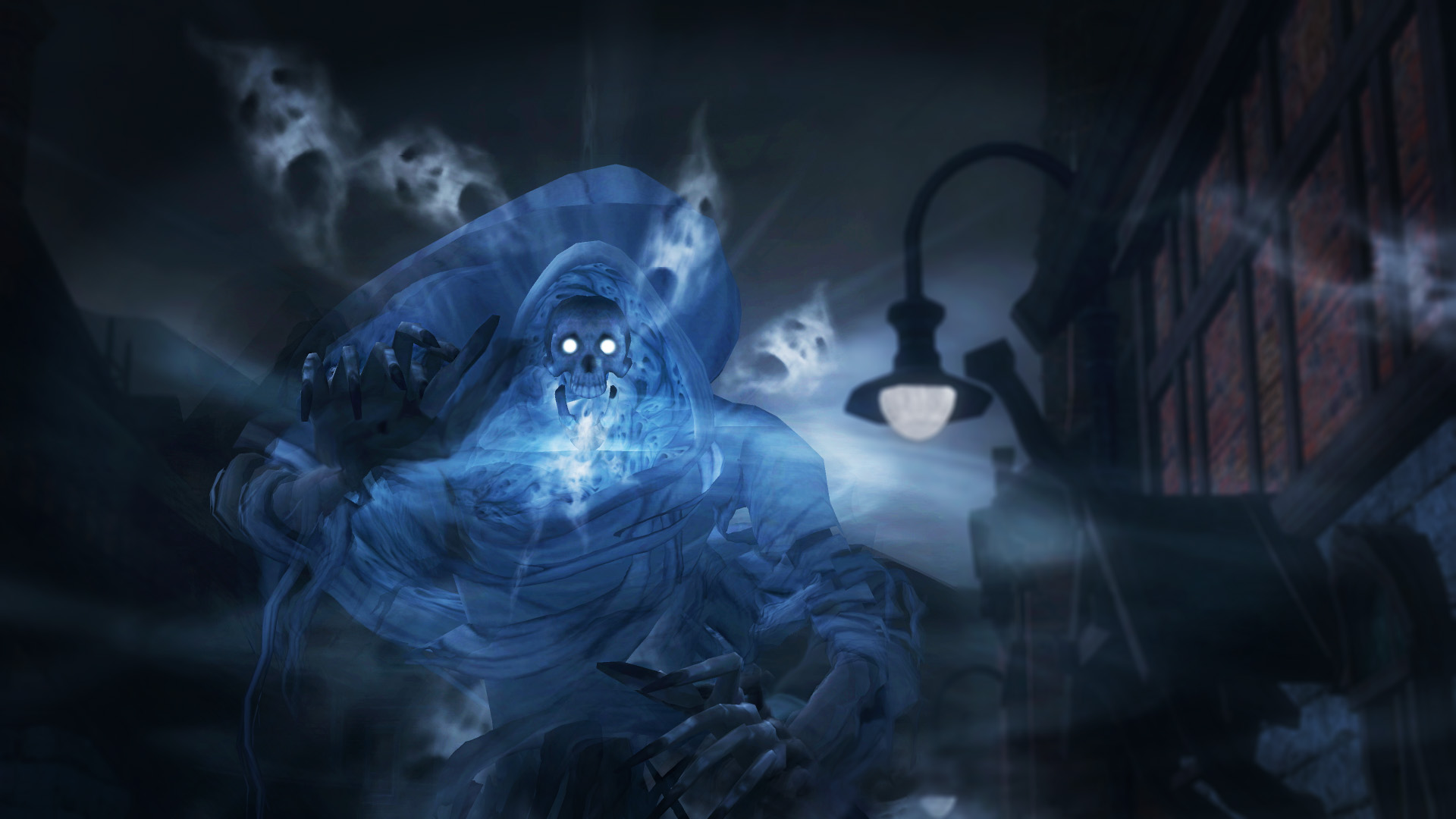
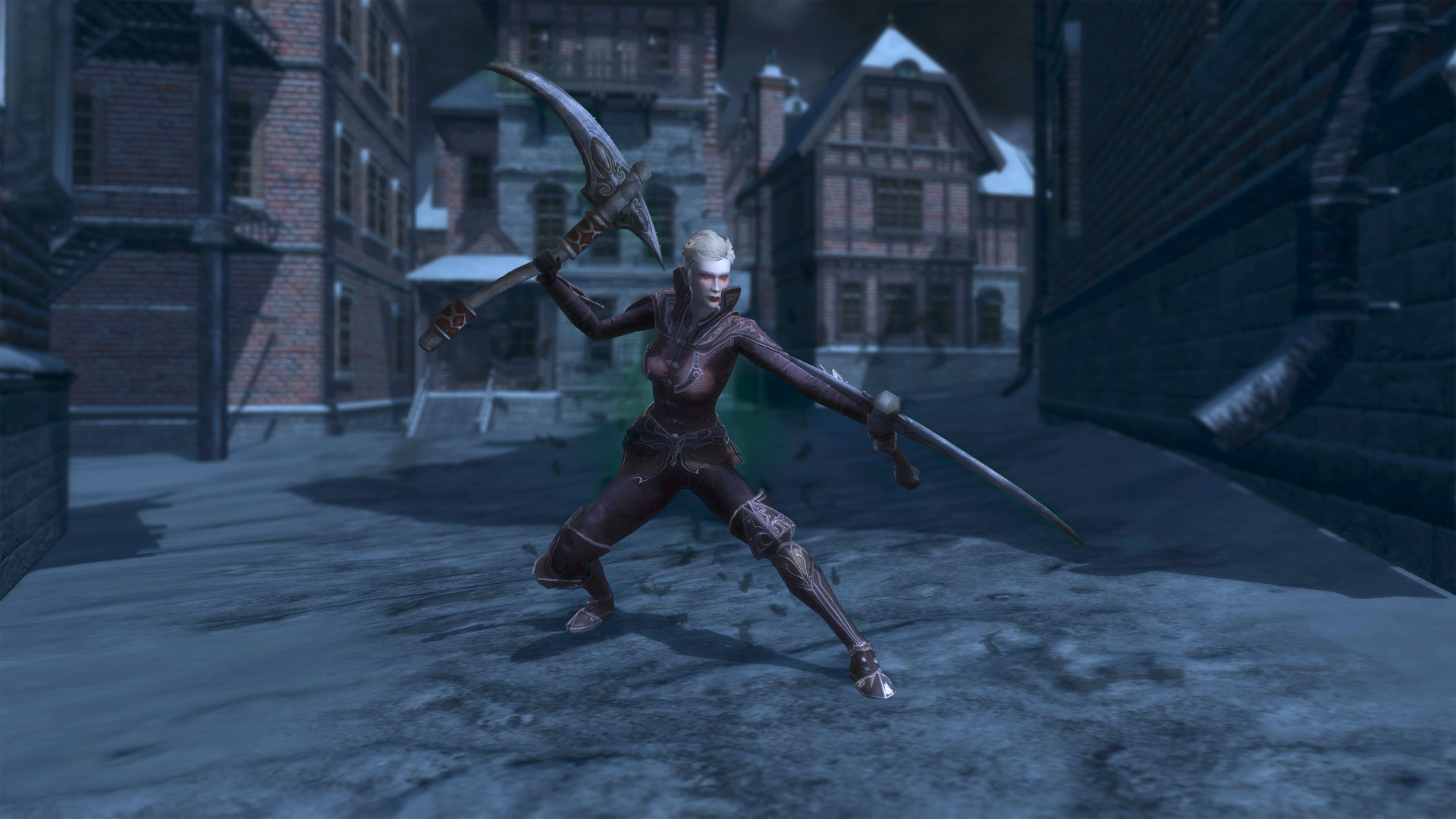
Loading this player connects to YouTube, which may use cookies and other browser storage. You can also use the video link above.
Closing the player stops this embed. It does not erase data already stored by YouTube.
Strengths and limitations
Strengths
- Active dungeon combat, puzzle adventures and flexible builds.
Limitations
- Paid content entitlements and complex build choices require checking; original release chronology remains unverified.
Official system requirements
Minimum
- Steam Windows tier: published legacy Windows 7; Core 2 Duo / Athlon II; 2 GB RAM; 32 GB high-resolution client; GeForce 7XXX / Radeon HD 3000, 512 MB VRAM; DirectX 9.0c. Steam itself requires Windows 10 or later.
Recommended
- Windows 10; Core i7 / FX-8100; 4 GB RAM; 32 GB; listed GeForce 8XXX / Radeon HD 6### or newer, 1 GB VRAM; DirectX 9.0c.
Beginner information
Start with a straightforward class and a manageable quest difficulty. Read ability descriptions before combining classes; elaborate builds are easier to judge after learning the dungeon controls.
Frequently asked questions
Are DDO adventures only for solo players?
No. The official overview describes solo and cooperative play.
How do the listed party and raid sizes differ?
The reviewed official overview distinguishes six-player groups and twelve-player raids.